


 Item added to basket
Customer Services
VIBRAM®
|
Grip, stability and durability — starting from the ground up.
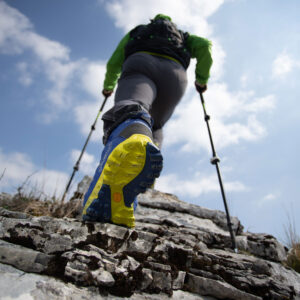
Vibram® outsoles are used across selected AKU models, often with AKU-exclusive sole designs developed in close collaboration with Vibram. The outsole is your “interface” with the terrain: tread shape, rubber compound, and sole structure all influence how secure you feel on rock, mud, loose ground, wet grass, and mixed surfaces.
|
|
.jpg)

|
|
|
The outsole is the bottom unit of the boot or shoe — the part that contacts the ground. In AKU footwear, the outsole is designed to work with AKU’s last shape (the foot-shaped mould used to build the boot) to support a stable, natural stride. Vibram® technology adds purpose-built tread patterns and specialised rubber compounds to balance grip, durability and stability. |
|
Not all Vibram® soles are the same. AKU selects the compound and outsole design based on the model’s intended terrain and temperature range. Below are key Vibram technologies referenced on AKU’s official technology pages.
|

|
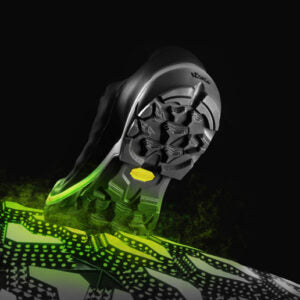
1) Tread pattern
Lugs (the “teeth” on the sole) help bite into terrain. Deeper, more open lugs tend to clear mud and loose ground better. More continuous contact areas can feel steadier on hard-packed paths and rock. 2) Rubber compound
The compound is the rubber “recipe” that influences grip feel, durability and behaviour in different temperatures. AKU selects compounds to match intended use (wet/dry, winter, high-mileage, etc.). |
3) Sole structure & intended use
Sole structure and profile influence how stable the footwear feels. AKU’s official guidance groups outsole design by intended use (e.g. Mountain, Trekking, Multiterrain), balancing abrasion resistance, shock absorption, lug height and flex to suit the category.
|
|
|
Vibram® outsoles appear across Outdoor, Hunting, Tactical and Professional models where traction and durability are critical. Browse by category below
Tip: outsole performance is model-specific. If you tell us your usual terrain and pace, we can recommend the most suitable family. |
|
Outsole grip is affected by surface contamination and wear. Keeping lugs clear and rubber clean can noticeably improve traction, especially on wet rock and hard surfaces.
|
|
Does a Vibram® outsole mean “best grip” on everything?
|
|
Grip depends on surface and conditions. Different tread patterns and rubber compounds suit different terrains. Wet rock, greasy clay, loose scree and hard-packed paths all demand different things—so match the model to your use case.
|
|
What’s the difference between Megagrip and Arctic Grip?
|
|
Megagrip is designed to balance grip on wet and dry terrain for outdoor performance. Arctic Grip is designed specifically for winter traction on slippery/icy surfaces. If your main challenge is cold-weather ice, Arctic Grip is the more purpose-built choice.
|
|
Why do my boots feel more slippery on wet pavement or smooth stone?
|
|
Smooth, wet surfaces can be challenging for any outsole. If the tread is clogged with mud or the lugs are rounded from wear, traction can drop further. Clean the tread and check wear zones—especially the heel.
|
|
How long will a Vibram® outsole last?
|
|
It depends on mileage, terrain (abrasive rock wears faster than soft ground), load carried, and walking style. If you’re doing high weekly mileage on hard surfaces, expect faster heel wear.
|
|
Can my AKU boots be resoled?
|
|
Some models are designed to be resoled, and some are not. If your outsole is worn but the upper is still in good condition, contact Lancashire Sports Repairs (AKU UK official partner) with photos for the most accurate advice.
|
|
How do I improve grip again?
|
|
Clean mud and oils off the outsole, clear clogged lugs, and check for rounded tread edges. If the tread is significantly worn, resoling (where possible) is the best route to restore performance.
|